Dungeon timers have transformed each pull into a meaningful decision point.
Every second spent fighting unnecessary enemies or recovering from mistakes directly affects success. This pressure forces groups to balance speed against safety, turning dungeon runs into continuous risk assessments rather than linear clears.
Every Pull Carries Consequences
Choosing how much to pull is no longer trivial. Overpulling can cause wipes that cost far more time than playing safely, while underpulling may lead to a failed timer even with flawless execution.
Groups must constantly evaluate cooldown availability, enemy danger, and player readiness before committing.
Risk Management Becomes a Core Skill
High timer pressure rewards groups that understand their limits. Knowing when to slow down, skip enemies, or adjust routes separates successful runs from failed ones.
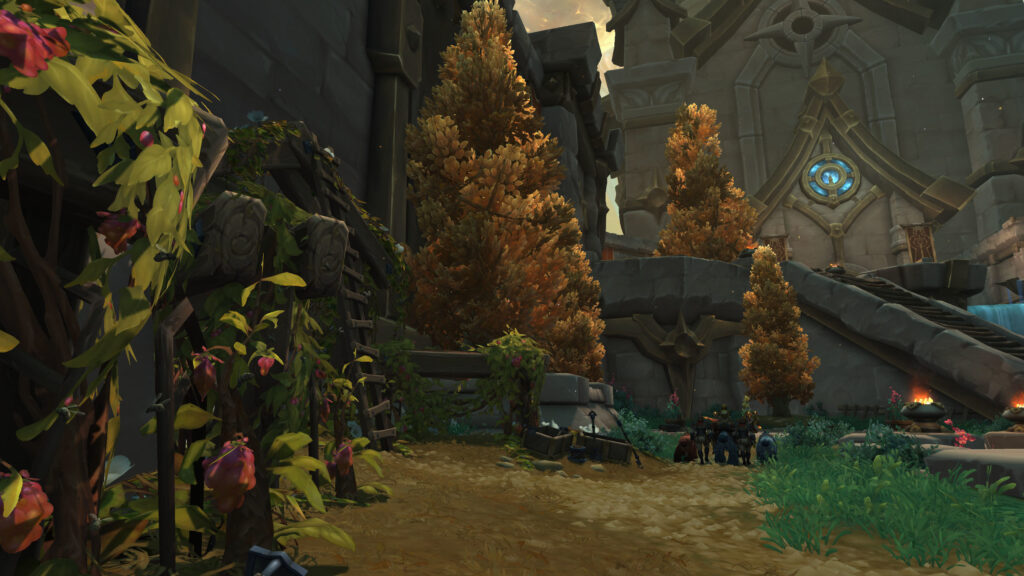
Tanks and leaders play a critical role in reading the situation and making calm decisions under pressure.
Time Loss Compounds Quickly
Small mistakes snowball under strict timers. Missed interrupts, inefficient positioning, or delayed pulls add up over the course of a run. Clean execution on ordinary packs becomes just as important as handling major threats.
| Decision Point | Risk | Potential Outcome |
|---|---|---|
| Large pull | Wipe | Major time loss |
| Small pull | Slow pace | Timer failure |
| Cooldown usage | Poor alignment | Future danger |
| Route adjustment | Unplanned combat | Momentum break |
Leadership Under Pressure
Dungeon timer pressure highlights leadership quality.
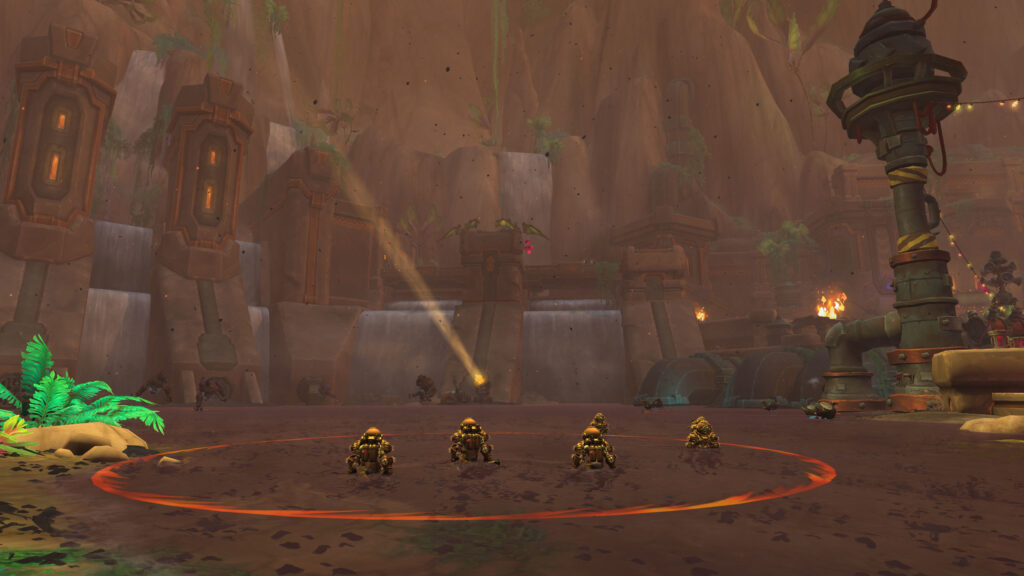
Clear calls, steady pacing, and quick recovery after mistakes keep runs alive. Groups without direction often panic, compounding errors and losing control of the timer.
Conclusion
Dungeon timers introduce high-stakes decision making on every pull.
Success depends on balancing speed, safety, and execution under constant pressure. Groups that master these decisions turn timers from a threat into a guiding structure for efficient, controlled runs.