Solo endgame content has become increasingly popular among players who prefer flexibility over fixed group schedules. These challenges offer meaningful progression without requiring coordination with others, making them ideal for players with limited or unpredictable playtime.
As a result, solo-focused endgame activities now stand as a serious alternative to traditional group content.
Freedom From Schedules Drives Engagement
Solo challenges allow players to log in and progress on their own terms. There is no need to wait for group availability or commit to long sessions.
This freedom makes endgame content more accessible, especially for players balancing real-life responsibilities alongside gaming.
Difficulty Is Tuned Around Personal Skill
Solo endgame encounters test individual awareness, timing, and execution.
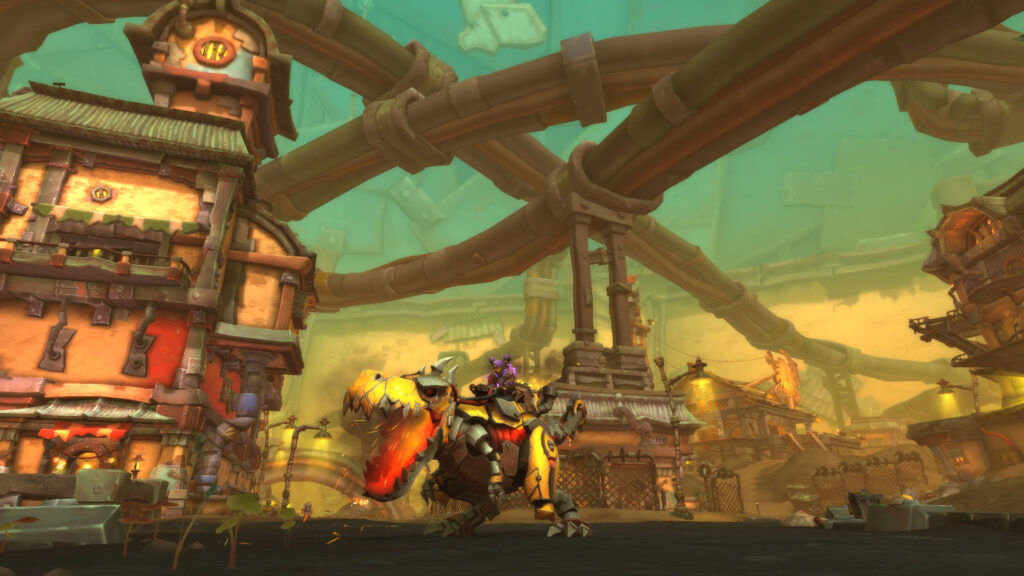
Without teammates to compensate for mistakes, players must master mechanics fully. Success feels personal and rewarding, reinforcing a sense of accomplishment that mirrors group progression without social pressure.
Progression Without Dependency
Solo systems often provide gear upgrades, cosmetics, or long-term rewards that feel worthwhile. This allows players to advance characters even when group play is unavailable. Over time, solo progression paths reduce frustration caused by missed raid nights or dungeon sessions.
| Solo Feature | Player Benefit | Appeal |
|---|---|---|
| On-demand access | Flexible playtime | No scheduling stress |
| Skill-based tuning | Personal mastery | Clear improvement |
| Meaningful rewards | Character growth | Long-term motivation |
| Repeatable challenges | Practice and refinement | Self-paced progress |
Solo Content Complements Group Play
Rather than replacing group activities, solo challenges fill gaps between them.
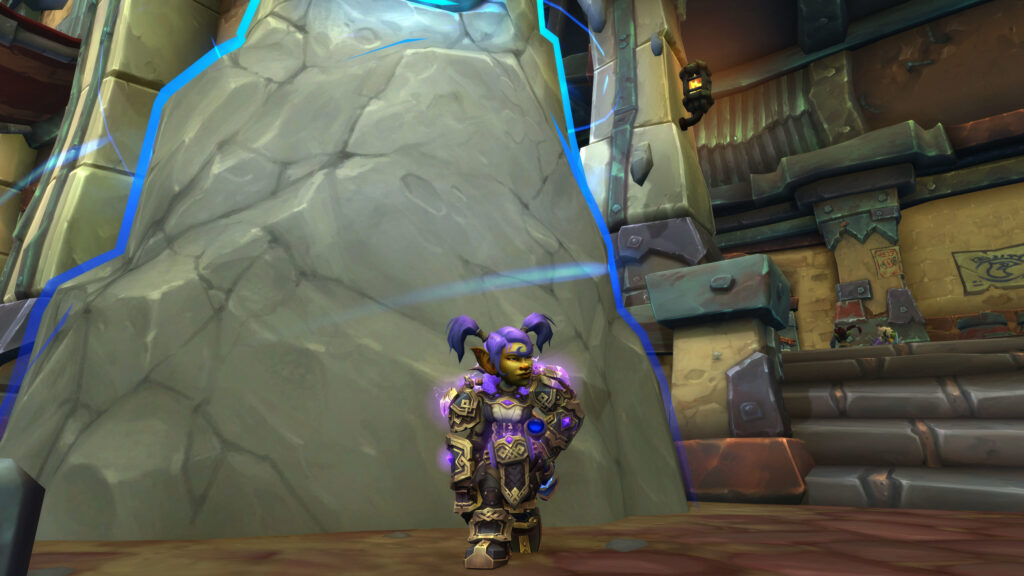
Players can stay engaged, practice mechanics, and improve performance independently. This balance supports varied playstyles and reduces burnout tied to rigid schedules.
Conclusion
Solo endgame challenges continue to gain popularity by offering flexibility, personal progression, and meaningful difficulty.
For players avoiding strict group scheduling, these systems provide a satisfying path to endgame mastery without sacrificing freedom or enjoyment.